What Trump’s New AI Framework Means for Your Business
3/25/20262 min read
The United States has taken a significant step toward shaping the future of artificial intelligence.
On March 20 2026 the White House introduced a National Policy Framework for Artificial Intelligence. While this is not yet a law it clearly signals where regulation is heading and what organizations should expect next. For businesses building or using AI the message is simple. AI governance is no longer optional. It is becoming a core business requirement.
Why This Matters Now
Today organizations are dealing with a growing mix of state level AI regulations. This creates confusion increases compliance costs and introduces risk. This new framework points toward a unified federal approach that aims to simplify that landscape while raising expectations for how AI systems are governed.
If adopted it will shift AI from an experimental capability into a regulated business function. Organizations that prepare early will move faster with less risk and greater confidence.
What Is Changing
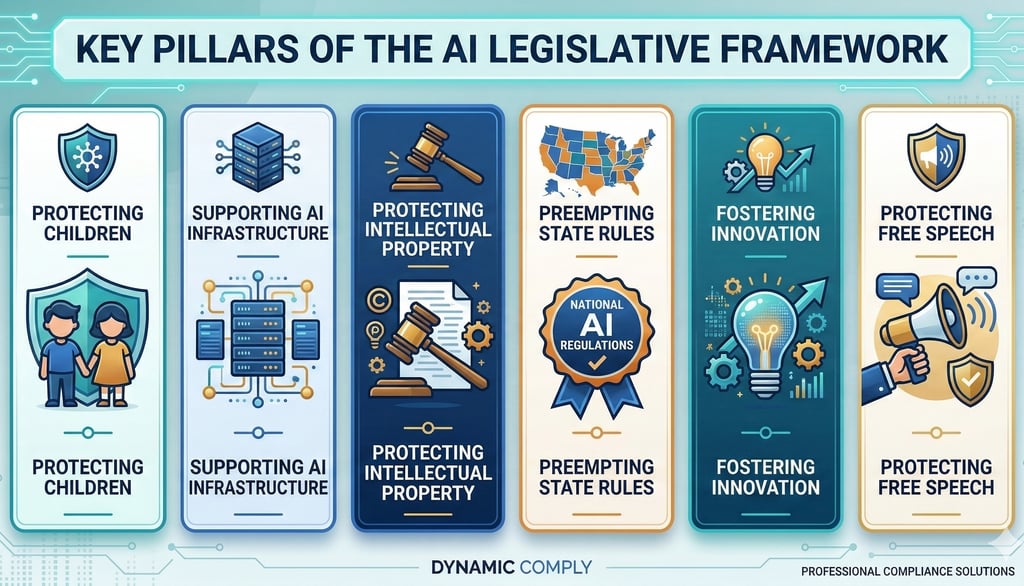
The framework focuses on several key priorities that will directly impact how companies design and manage AI systems. There is a strong emphasis on protecting individuals especially children and ensuring that AI systems are used responsibly.
There is also a push to support large scale AI infrastructure which signals continued growth and investment in AI technologies. Intellectual property remains a central concern with ongoing legal interpretation around how AI models use data. One of the most important shifts is the potential for federal law to override inconsistent state regulations creating a more standardized compliance environment.
At the same time the framework highlights innovation workforce development and the importance of maintaining open and fair access to information.
What This Means for Your Organization
Even though this is not yet enforceable it provides a clear preview of what regulators will expect. Organizations should anticipate increased expectations around transparency risk management and accountability. AI systems will need to be explainable monitored and aligned with defined governance structures. Companies using AI in sensitive areas especially those involving personal data or decision making will face higher scrutiny.
At the same time a unified regulatory model could reduce complexity by replacing multiple state requirements with a single national standard. This creates both opportunity and responsibility.
Why Acting Early Matters
Many organizations make the mistake of waiting until regulation becomes mandatory. By that point compliance becomes reactive expensive and disruptive. Organizations that act early gain a different advantage. They build governance into their systems from the beginning rather than trying to retrofit it later. They are able to demonstrate trust to customers partners and regulators. They move faster because their processes are already aligned with where the market is going.
How Dynamic Comply Supports Your Readiness
At Dynamic Comply we help organizations prepare for exactly this type of shift. We focus on making AI governance practical scalable and aligned with real business outcomes. Our approach includes assessing your current AI capabilities identifying gaps and building governance frameworks aligned with leading standards such as ISO 42001 and the NIST AI Risk Management Framework. We also provide ongoing advisory support so your organization can stay aligned as regulations continue to evolve.
Turning Compliance Into a Business Advantage
This is not just about avoiding risk. It is about building trust. Organizations that invest in AI governance today position themselves as responsible leaders in their industry. They are better equipped to win enterprise clients meet regulatory expectations and scale their AI capabilities with confidence.
Final Thought
The direction is clear. AI governance is becoming a defining factor in how organizations compete and grow. The only question is whether you prepare now or react later.
Connect:
(571) 306-0036
© 2026. All rights reserved.


